How to Budget for a Custom Home in the West Kootenays
 Legacy Build
January 15, 2026
You have a lot in mind, or a few listings bookmarked, and a rough number you think you can spend. The hard part is knowing whether that number covers the whole project or only the house. Learning how to budget for a custom home means counting everything from the land purchase to the blinds on the windows, then holding money back for the surprises a Kootenay site can throw at you.
This guide covers what an all-in building budget should include, how much contingency to set aside, how to set a number before you have plans, and where builds in the West Kootenays tend to run over. By the end, you will know which costs sit outside the build contract.
What should an all-in custom home budget include?
An all-in building budget is the total cost of getting from an empty lot (or no lot at all) to a finished home you can move into. The build contract covers the house itself, but a large share of your money goes elsewhere. If you only plan around the builder’s number, you will come up short.
Think of it as three buckets: the land and getting it ready, the design and approvals, and the build plus everything after it. Each bucket holds items people forget.
What costs sit outside the build contract?
Every builder draws the line in a slightly different place, so read your contract to see what is in and what is out. Our guide on how to read a construction contract without a law degree shows what to look for. These items commonly sit outside the contract and still belong in your budget:
- Driveway construction, especially on a long or steep approach
- Financing costs, such as interest and lender fees during construction
- Moving and short-term storage
- Furniture for a larger or differently laid-out home
Some contracts also use allowances for items you have not chosen yet. Our post on construction allowances explained covers how they adjust and what builder quotes usually leave out.
What about land, servicing and design?
Land is usually the first big cheque you write, and the purchase price is only part of it. Budget for legal and closing costs, a survey, and a geotechnical report if the soil, slope, or drainage raises questions. Our post on choosing the right lot for your new home in Castlegar covers what to check before you buy.
Servicing is where in-town and rural lots differ most. A lot in Castlegar may have water and sewer at the property line, while a rural lot in the RDCK might need a well, a septic system, and a long run for the hydro hookup. Each of those carries its own cost, and the distance from the road or the nearest pole can move the number considerably.
Design costs come next: drafting or architectural design, structural engineering, and sometimes a separate engineer for the foundation or septic. Then there are building permits and development fees. These vary by municipality and regional district, so confirm current fees with the local building department before you settle on a custom home budget in Castlegar or the surrounding area.
How much contingency should you hold back?
A construction contingency is money set aside for costs nobody can price with certainty before work starts. It is not a fund for upgrades. It covers things like rock found during excavation or a material price increase between budgeting and ordering.
Many builders suggest holding 10 to 15 percent of the construction cost as contingency. Lean toward the higher end, or above it, if your site is complex: a steep slope, uncertain soil, a long access road, or a rural lot where servicing has not been confirmed. A flat, serviced lot with a straightforward design can sit closer to the lower end.
Track the contingency as its own line. If you finish the build without touching it, that money can go toward landscaping or back into savings. If you spend it early, it is time to slow down on upgrades.
How to budget for a custom home before you have plans: where do you start?
Most people need a budget before they have drawings, because the budget shapes the design. Start with the total you can comfortably spend, then work backward. Subtract the land and its costs, servicing, design and permits, the outside-the-contract items above, and your contingency. What is left is roughly what you can put toward the build itself.
Next, get a range for the house you have in mind. Our custom home cost calculator lets you enter the basics of your project and see a planning range. It is a starting point, not a quote, but it tells you quickly whether your target home fits the money left after the other buckets.
If the two numbers do not line up, adjust now. Reducing square footage or simplifying the roof line costs nothing on paper and a great deal halfway through framing.
Once you have a range that works, refine it with a builder. At Legacy Built Homes, this happens in the Fixed-Price Contract stage of how we run each stage of a build, after design and planning. You get one lump-sum price for the agreed scope, a cost breakdown by phase and a payment schedule, so you can see where each dollar goes before construction starts. If you are financing the build, our post on how construction loans work for a custom home in BC explains how lender draws line up with that payment schedule.
Where do Kootenay builds go over budget?
Most overruns are several medium-sized surprises that stack up, and in the West Kootenays the same causes come up again and again.
How do slope and access change the number?
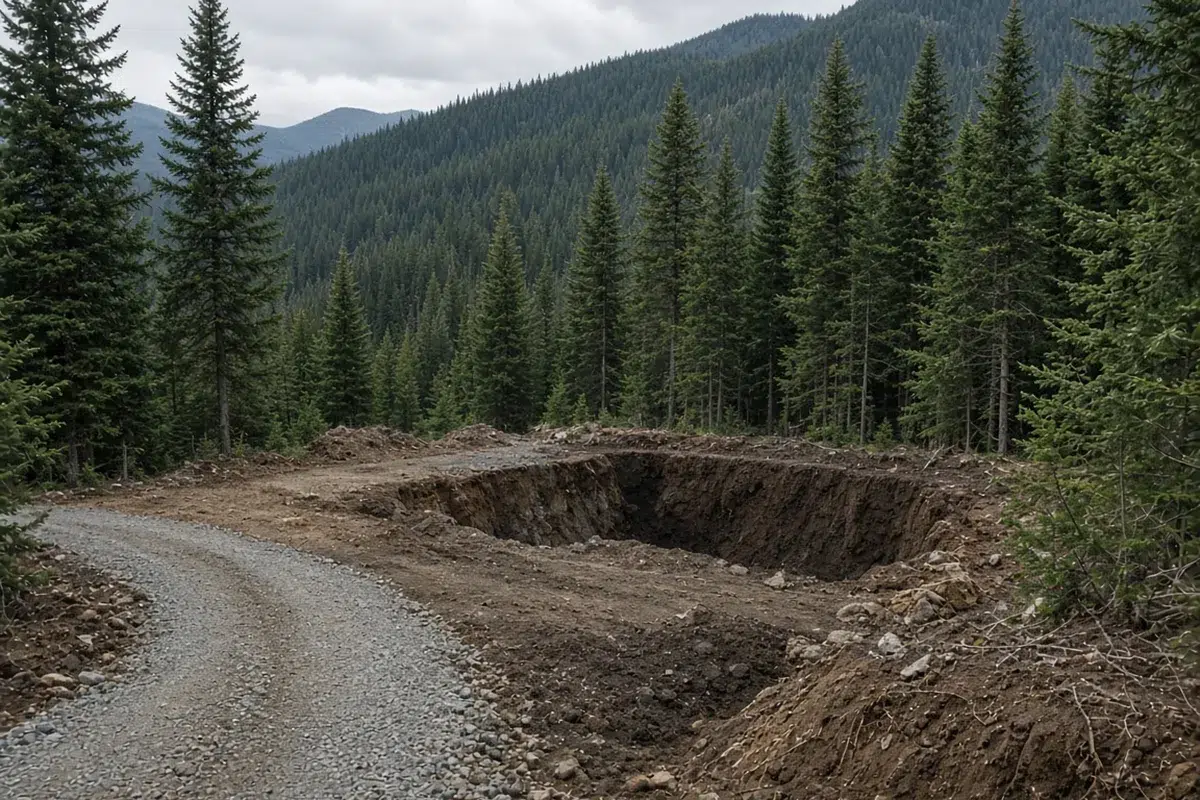
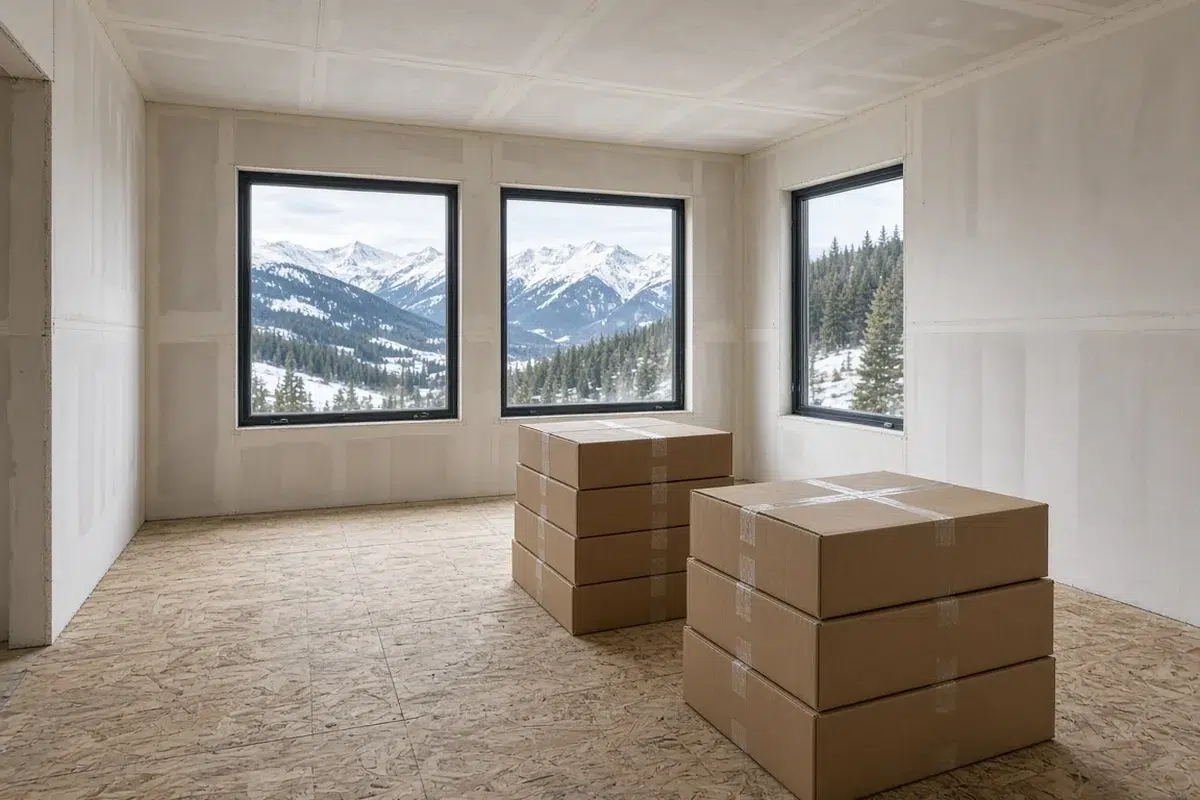
Excavation is the first place a Kootenay budget gets tested. Many lots around Castlegar, Nelson, and Trail sit on bedrock or ground full of large boulders, and you often do not know how much rock is there until the excavator starts digging. Removing rock or engineering around it adds time and cost.
Slope adds cost through taller foundation walls, retaining walls, and drainage work. Access matters too. A long driveway needs base material, grading, and sometimes culverts, and a rural lot far from hydro or water can need long trenches before the house is even connected.
Weather plays a part as well. The building season here is short, and snow can arrive early at higher elevations. If foundation work slips into late fall, you may face extra costs for heating, hoarding, and protecting concrete, or a delay that pushes the schedule into spring.
How do selections creep?
Selection creep happens one decision at a time. You see a nicer tile in the showroom, upgrade the faucets, add pot lights in the hallway, then switch to a wider plank floor. Together, those small choices can eat your whole contingency.
Change orders work the same way. Moving a wall, adding a window, or changing the kitchen layout after framing starts costs more than making the same change on paper, because work gets redone and trades get rescheduled. The best protection is to make as many decisions as possible during design and planning, then stick with them.
Part of knowing how to budget for a custom home is deciding in advance how you will handle upgrades. Before approving one, ask what it costs and where the money will come from. If the answer is your contingency, decide whether that upgrade matters more than a buffer against rock.
Frequently Asked Questions
What is the biggest hidden cost when building a custom home?
On rural Kootenay lots, servicing and site work are often the biggest surprises. A well, septic system, hydro hookup, and long driveway can add a large amount that never shows up in the builder’s price for the house. On in-town lots, overruns tend to come from selections and change orders. A geotechnical report and early servicing quotes narrow the unknowns.
Is 10 percent contingency enough for a new build?
Ten percent can be enough for a simple design on a flat, serviced lot. For sloped sites, known rock, long access, or unconfirmed servicing, many builders suggest 15 percent or more. The right amount depends on how many unknowns remain when you sign, so ask your builder which parts of the price are firm and which are still estimates.
Should I buy land before I know my building budget?
It is better to set at least a rough all-in budget before you buy. The land price, servicing needs, and site conditions all affect how much is left for the house, and a cheaper lot with difficult access can cost more overall than a pricier serviced one. Our list of what to ask before you start building a home can help you spot gaps first.
Does a custom home budget need to include GST?
Yes, because GST applies to new home construction and is easy to overlook when you compare numbers. Check whether each price you receive includes or excludes GST, and plan for it either way. An accountant can tell you whether any rebates apply to your situation and how they affect the amount you need to have ready.
Ready to Start Your Budget?
The quickest way to see where your project stands is to run it through our custom home cost calculator. Your details go to the Legacy Built Homes team, and Justin Creaser follows up within 24 hours with a personalized quote based on what you entered. From there, we can set up a free initial consultation to talk through your lot, your priorities, and the costs that sit outside the contract, and show you how our custom home builds run. If you would rather talk first, call us at 250-558-9531 or send a note through our contact page.