What Are Construction Allowances, and Why Do They Matter?
 Legacy Build
February 15, 2026
You have a builder quote in hand, and some lines read “flooring allowance” or “lighting allowance” with a dollar amount beside them. Those numbers look final, but they are not. Construction allowances are placeholders for items you have not chosen yet, and they are one of the most common reasons a final invoice differs from the original quote.
This post explains how allowances work in a building contract, which items usually carry them, what happens when you go over, and what a builder quote often leaves out entirely. It also covers how to set allowances that match your taste, so the number in your contract reflects the home you actually want rather than a guess.
What is an allowance in a building contract?
An allowance is a set dollar amount in the contract for an item you have not selected yet. When you make your selection, the final price adjusts up or down to match what you chose. If the flooring allowance assumes a mid-priced engineered hardwood and you pick something pricier, you pay the difference. If you pick something cheaper, you should receive a credit.
Allowances exist because a custom home involves hundreds of decisions, and most people do not finalize every finish before signing. They let a builder give you a complete contract price without waiting months for every tile and faucet to be chosen.
The catch is that an allowance is only as accurate as the assumption behind it. A low allowance makes a quote look attractive, then the real cost shows up later. Our guide on how to read a construction contract without a law degree explains where allowances usually appear and what wording to watch for.
Which items usually carry construction allowances?
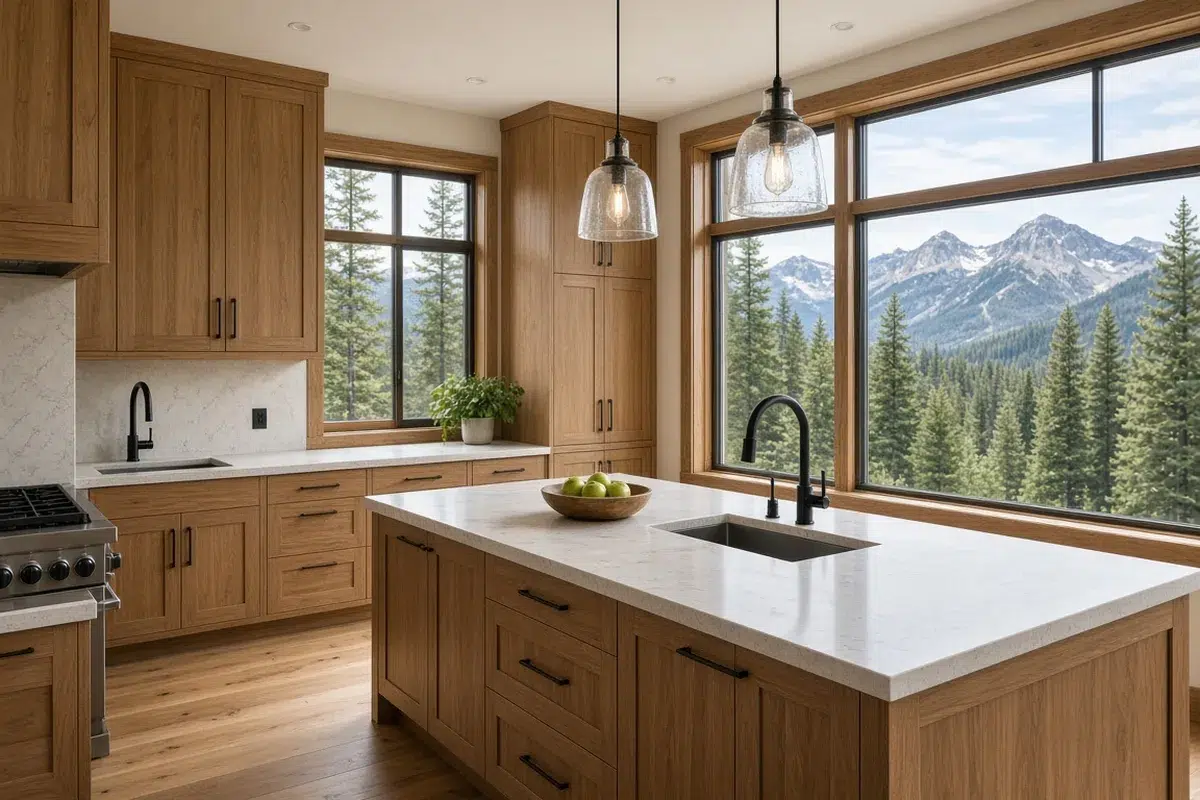
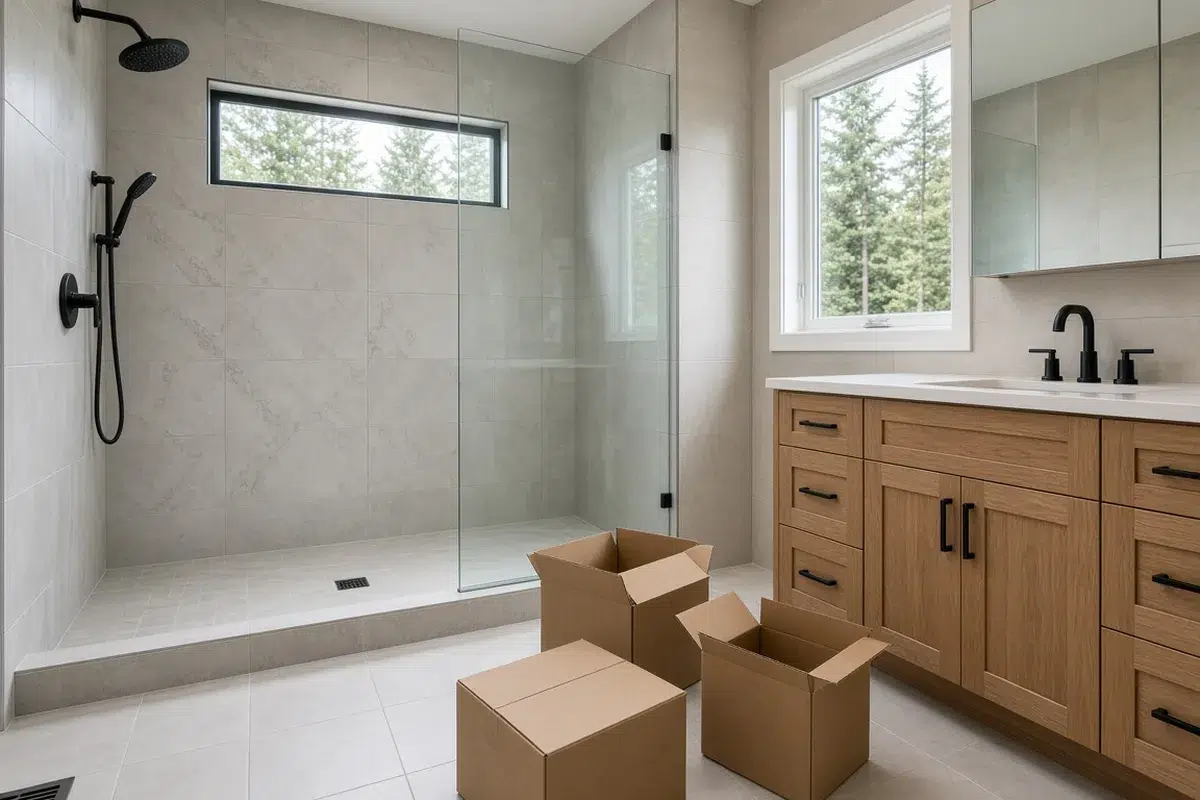
Allowances tend to cover items where taste and price vary widely. In custom homes and major renovations, the usual list looks like this:
- Flooring, including hardwood, vinyl plank, tile, and carpet
- Cabinetry and vanities
- Countertops
- Plumbing fixtures, such as faucets, sinks, toilets, and tubs
- Light fixtures
- Tile for showers, backsplashes, and floors
- Appliances
- Door and cabinet hardware
- Landscaping, in some contracts
Why are flooring, cabinets and fixtures often allowances?
These items have the widest price range for what looks like the same thing. Two kitchen faucets can do the same job and differ in price several times over. Cabinetry can run from stock boxes to fully custom millwork. Because the spread is so wide, a builder cannot price them accurately until you choose.
Just as important is whether an allowance covers material only or material plus installation. If a tile allowance covers only the tile, installation is priced elsewhere, and a complex pattern such as herringbone may cost more to lay than the base price assumed. If the allowance includes installation, a harder-to-install product can use it up faster than you expect. Ask your builder how each allowance is defined, and get the answer in writing.
What happens when you go over an allowance?
When your selection costs more than the allowance, the difference is an overage. Most builders handle allowance overages as a change to the contract, documented in writing and billed either right away or with the next scheduled payment. Some contracts add a builder markup on overages to cover the extra ordering and coordination, so check whether yours does and at what rate.
When you come in under, the contract should spell out how credits work. Some builders credit the difference directly, while others apply it against overages elsewhere in the project. Read the clause so you know which applies to you.
Timing matters as much as price. Many allowance items have long lead times, and custom cabinets or special-order tile can take weeks to arrive. If a selection is made late, trades may have to wait or leave and come back, which pushes the schedule. Most builders give you a selection deadline for each item, tied to the construction schedule, and meeting those dates protects both your timeline and your budget.
What’s usually excluded from a builder quote?
An allowance is at least in the quote. Exclusions are items that are not in it at all, and they catch people off guard more often. If you are wondering what’s not included in a builder quote, these items come up most often:
- Land and the costs of buying it
- Permits and development fees, in some quotes
- Servicing, such as the hydro hookup, water or well, and sewer or septic
- Landscaping and final grading
- Window coverings
- Appliances
- GST, depending on how the quote is presented
- Rock removal, blasting, or other unforeseen site conditions
That last item matters in the Kootenays. Many lots hold bedrock or large boulders that do not show up until excavation, and most quotes either exclude rock or cover it with a clause that adjusts once the ground is open.
Exclusions vary by builder, so read the list on every quote you receive. Two quotes that look far apart may be closer than they seem once you account for what each one leaves out. For the full set of costs that sit outside a contract, see our guide on how to budget for a custom home in the West Kootenays.
How do you set allowances that actually fit your taste?
The best time to test an allowance is before you sign. Visit showrooms and suppliers with the allowance list in hand, and price the products you would actually pick, not the cheapest version on the shelf. If the flooring you like costs more than the allowance assumes, you have learned that early, when the number is still easy to change.
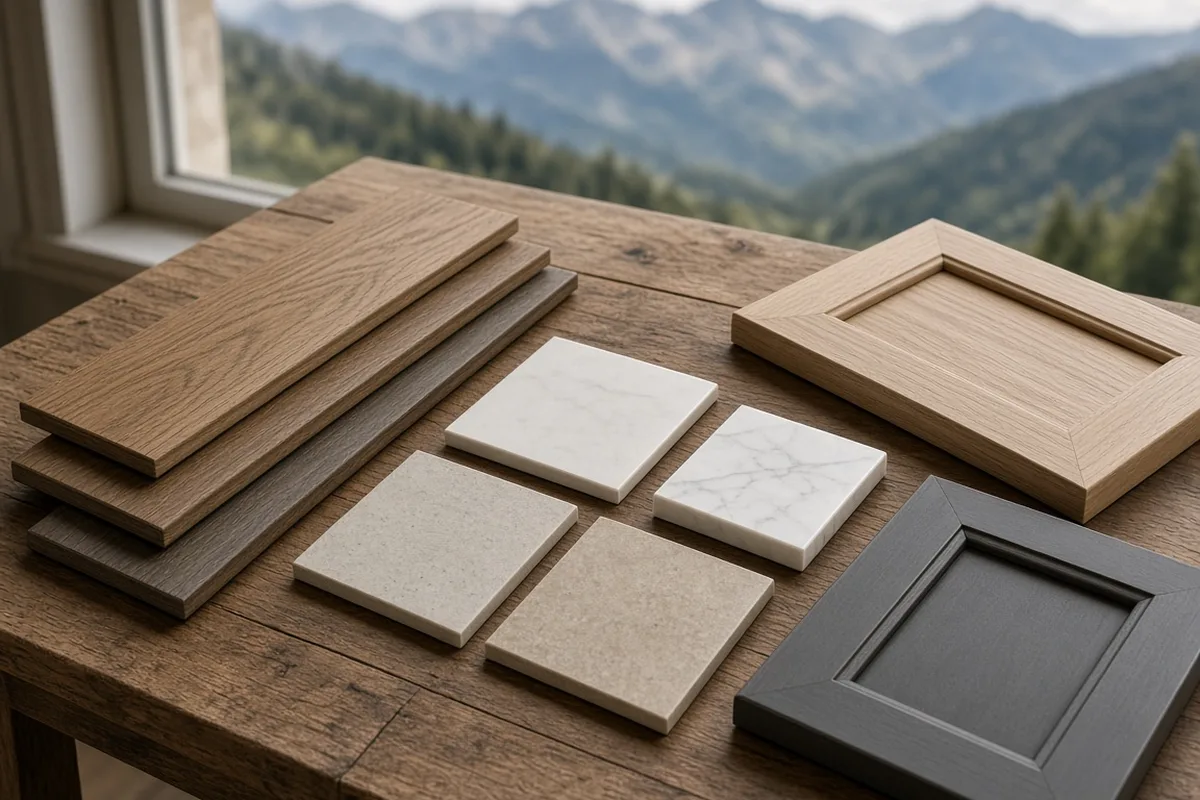
Ask your builder what each allowance is based on. “Mid-range” means different things to different people, and a short description (a brand, a product line, or a sample) removes the guesswork. If you have strong preferences or plan to work with a designer, share that early so the allowances reflect your style rather than a generic default.
Then decide which items stay as allowances and which become fixed prices. The allowance vs fixed price choice comes down to flexibility against certainty. An allowance keeps your options open, which helps if you have not settled on a style or want to see finishes in person later. A fixed-price item locks in a specific product at a specific price, so the number will not move, but changing your mind later becomes a change order. Many owners fix the items they have already chosen and keep construction allowances for the finishes they want to pick once the house takes shape.
Our custom home cost calculator can show you how finish level affects your overall range before you start pricing individual items. If you are planning a major renovation or addition rather than a new build, the home renovation cost calculator does the same job. At Legacy Built Homes, we set allowances during Design & Planning, then carry them into a fixed-price contract. Material selection happens at the same stage, and the results feed into the Fixed-Price Contract stage, as laid out in our step-by-step building process.
Frequently Asked Questions
Is it better to have allowances or a fixed price?
Neither is always better, because it depends on how settled your selections are. A fixed price gives you certainty for items you have already chosen, while allowances give you flexibility for items you want to see in person later. Many owners use a mix, fixing the products they are sure about and keeping allowances for finishes they are still deciding on.
Do builders mark up allowance overages?
Some do and some do not, so check your contract before you start upgrading. A markup covers the extra ordering, coordination, and handling that an upgrade creates. If your contract includes one, find out the rate and whether it also applies to credits, so you can weigh each upgrade with the full cost in front of you.
Why is my builder’s allowance so low?
A low allowance can make a quote look more competitive than it is. It may also reflect basic products the builder assumes you will accept. Ask what product each allowance is based on, then price your actual choices. If the gap is large, raise the allowance in the contract now rather than paying for a string of overages during construction.
What does “not included” mean on a construction quote?
It means the item is excluded from the price entirely, and you will pay for it separately. Common examples are land, servicing, landscaping, window coverings, and sometimes permits or appliances. Read the exclusions list closely, because it often explains why two quotes for the same home look so far apart.
Want Allowances That Match Your Plans?
Start with our custom home cost calculator to see a planning range for your build. Your details go straight to the Legacy Built Homes team, and Justin Creaser follows up within 24 hours with a personalized quote. During your free initial consultation, we will walk through which items carry allowances, what each one is based on, and what sits outside the contract, so there are fewer surprises once construction starts. If you would rather talk it through first, call 250-558-9531.